All articles
Guides
How Much Does Office Cold Brew Really Cost? (Beyond the Cup Price)
Sticker price on coffee is the smallest number in the room. The real office cold brew cost (or office coffee cost) shows up in behavior. Café runs.
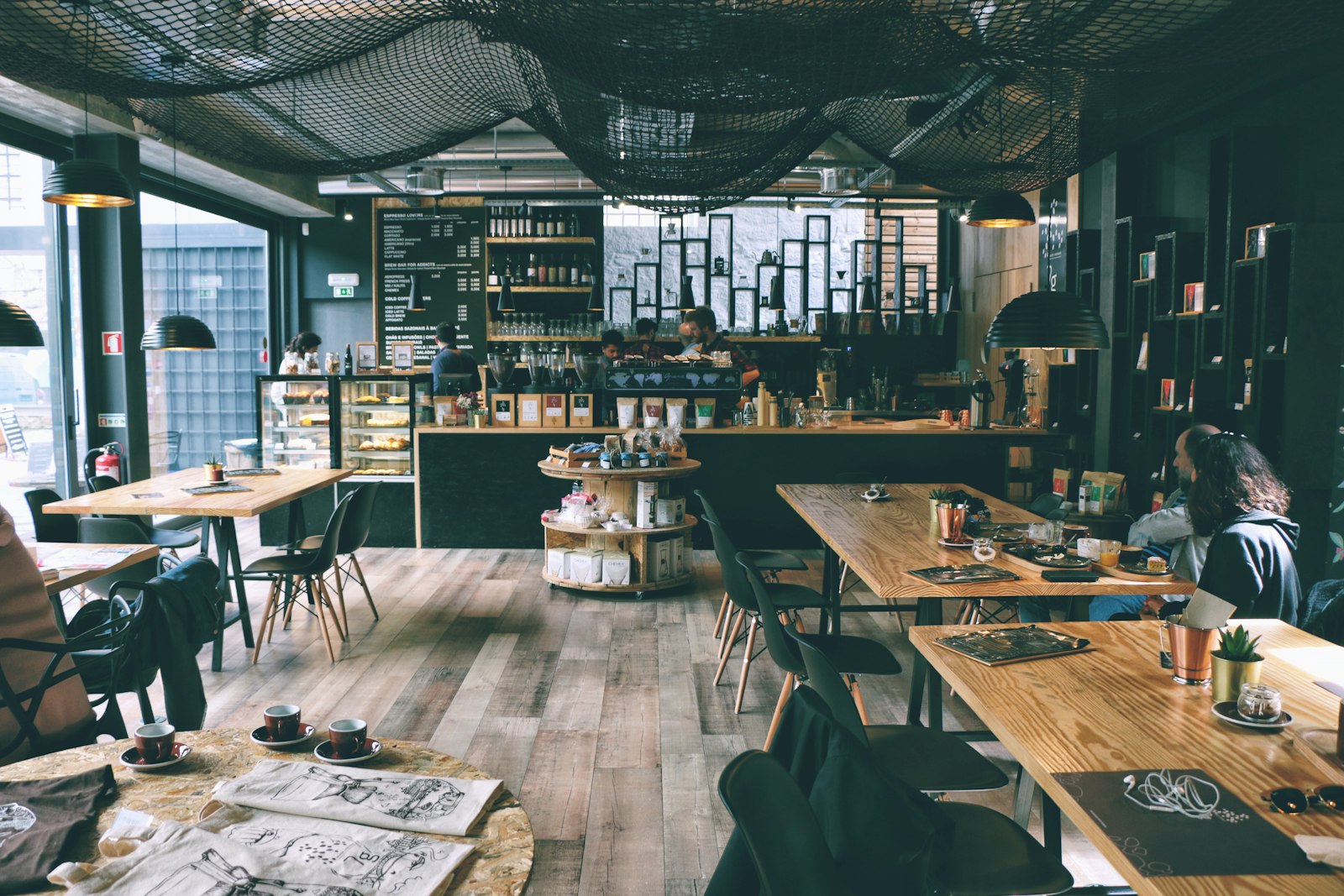
Sticker price on coffee is the smallest number in the room. The real office cold brew cost (or office coffee cost) shows up in behavior.
Costs that hide in plain sight
Café runs. Time out of flow, parking, lines, and a soft tax every afternoon. Multiply by headcount. In Texas metros, “quick” runs are rarely quick.
Waste. Burnt pots and unwanted pods get dumped — you paid for them anyway.
Labor. Ordering, cleaning, apologizing, meeting the repair person — often unpaid hospitality work on an office manager.
Brand. Guests who politely decline a cup remember that moment. Candidates do too.
Inconsistency. Different offices, different quality — politics and complaints with no clear owner.
None of those lines appear cleanly on a coffee invoice. All of them show up in calendars, Slack, and recruiting stories.
What a managed cold brew tap changes
You’re not only buying liquid. You’re buying readiness: a pour that’s available, a system that’s monitored, restocks that arrive before emptiness becomes Slack, cleaning that isn’t a Friday punishment detail.
The right comparison isn’t “bag of beans vs keg.” It’s “total cost of a kitchen people trust” vs “total cost of a kitchen people abandon.” Craft nitro on tap changes the trust side when taste and management both hold up. People finish cups. Guests accept pours. Ops stops triage-ing beverage drama.
How to evaluate quotes like an adult
Ask what is included in management. Ask who notices low inventory. Ask how quality stays consistent across sites. Taste with the team. Ignore vanity features that don’t change Tuesday at 3 p.m.
Talk pricing on a tasting call — this article won’t invent numbers. What you can decide now is the model: clarity of ownership, craft standards you can repeat without cringing, and a partner who stays useful after install day.
Coldies fully manages craft nitro on tap for Texas offices — Austin-brewed standards, organic options, no preservatives, kept cool — so the cost conversation includes readiness, not only liquid.
A practical worksheet before the call: estimate weekly cafe runs, time spent on supply and cleaning, and how often guests decline a cup. You do not need perfect math. You need a directionally honest picture of the behavior tax. Then compare managed craft cold brew against that picture — not against a bag of beans on a shelf.
Talk pricing on a tasting call — this article will not invent numbers. What you can decide now is the comparison frame: total cost of a kitchen people trust versus total cost of a kitchen people abandon. Cafe runs, waste, unpaid hospitality labor, and weak first impressions all belong in that frame — even when they never appear on the coffee invoice.
Another cost lens leaders miss: recruiting and retention micro-signals. A kitchen people trust shows up as fewer opt-outs, stronger tour days, and less quiet frustration from the humans who keep the building alive. Those outcomes are hard to spreadsheet and easy to feel after a month of a working tap.
Leaders often compare coffee quotes like software seats: unit price first, total experience later. Flip that. Start with behavior you already see — cafe runs, dumped pots, Slack complaints — then ask which program removes those costs.
When you meet with Coldies, bring your headcount, hybrid pattern, and multi-site plans. The useful quote includes readiness — not only liquid.
Want office cold brew without the busywork tax? Book a free tasting — 512-200-3398 · coldiescoffee.com
(Talk pricing on the tasting call — this article won’t invent numbers.)